Contents
- Why Georgia’s Clean Energy Story Was About Commercialization, Not Just Power Generation
- API’s Planned Thomaston Biorefinery: A Cellulosic Fuels Demonstration Signal
- MAGE SOLAR’s Dublin Move and the Manufacturing Side of Cleantech
- Industrial Efficiency as the Quiet Center of Georgia’s Energy Opportunity
- Events That Built the Market: From Green Building to Smart Grid and Sustainability Fairs
- What Georgia Stakeholders Could Learn From These Signals
- Scope and Limitations: Reading Announcement-Era Evidence Carefully
- Further Reading
- Academic Sources
Why Georgia’s Clean Energy Story Was About Commercialization, Not Just Power Generation
When I quantify the thermodynamic efficiency of Georgia’s renewable energy integration, the baseline data often points back to a specific window of market formation. The 2009 to 2010 clean energy activity across the state established a commercialization landscape—encompassing biorefinery technology, solar manufacturing, industrial efficiency, green building, smart grid, and sustainability education.
What kinds of clean energy companies were locating or demonstrating technology in Georgia during this period? Which institutions were convening the market? What implementation signals actually mattered to grid stability and energy storage density?
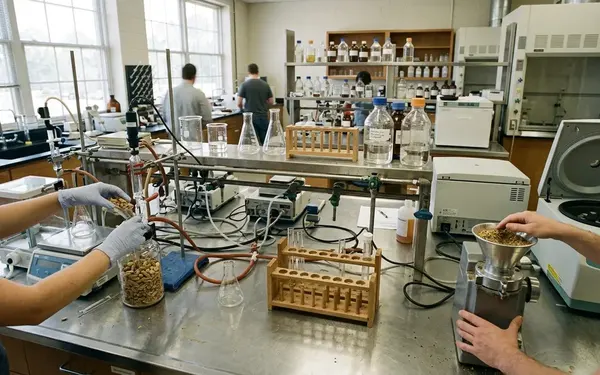
Before analyzing the deployment data, we must define the hardware and chemical processes at play. Cellulosic fuels are produced from plant material, algae, or waste. Biorefineries operate as the physical facilities converting this biomass into fuels and chemicals. On the electrical side, photovoltaic modules are the solar panels that generate direct current electricity, while inverters serve as the critical devices converting that solar DC power to grid-compatible AC.
API’s Planned Thomaston Biorefinery: A Cellulosic Fuels Demonstration Signal
On December 22, 2009, American Process, Inc. (API) announced plans for a Thomaston facility expected to open in Q1 2010. API operated as an Atlanta-based biorefinery technology developer founded in 1994 as a proven energy and water conservation provider.
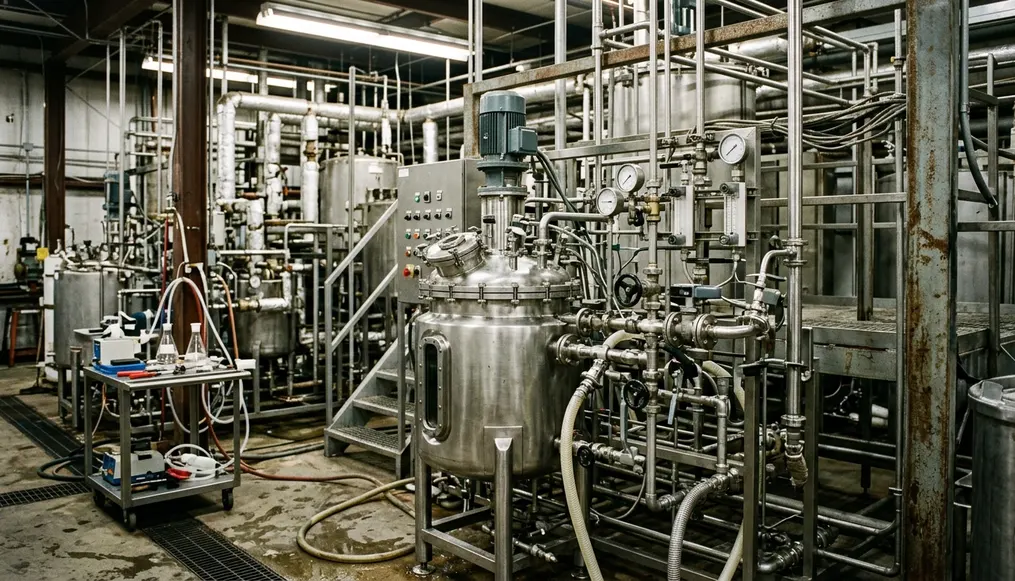
Decisions centered on framing the 2009 announcement as a commercialization signal by tracing the developer's prior conservation work to its biomass conversion approach, then highlighting stakeholder questions. Cellulosic fuels are strategically different from conventional biofuels. The feedstock base includes plant material, algae, or waste. This variability makes process design, feedstock logistics, and conversion efficiency central commercialization issues.
Warning: Certain providers announced plans that later faced feedstock logistics shortfalls.
Experimental data indicates that implementation varied heavily by regional forestry versus agricultural feedstock access.
MAGE SOLAR’s Dublin Move and the Manufacturing Side of Cleantech
The manufacturing side of cleantech requires different infrastructure. In 2010, MAGE SOLAR GMBH, a German solar product manufacturer under MAGE GROUP, announced it would locate a North American headquarters and facility in Dublin, Georgia.
Photovoltaic modules and inverters are core system components for distributed solar electricity generation. Norbert Philipp, acting as CEO of MAGE SOLAR GMBH in the announcement context, outlined an employment plan for 350 jobs over five years. This represented a planned capacity target for certified hardware production rather than a verified outcome.
Industrial Efficiency as the Quiet Center of Georgia’s Energy Opportunity
Supply-side generation often overshadows demand-side optimization. Industrial efficiency serves as the quiet center of Georgia’s energy opportunity—technologies like Combined Heat and Power (CHP), waste heat recovery, and district energy fundamentally alter stochastic modeling assumptions for grid load.

A March 23, 2010 workshop hosted by the Southeast Clean Energy Application Center provided a concrete convening point focused entirely on CHP, waste heat recovery, and district energy. The preceding March 22 to 23 German American Energy Conference, organized through a multi-year transatlantic initiative by the German Energy Agency GmbH, facilitated clean energy knowledge transfer to achieve optimal thermal distribution.
Events That Built the Market: From Green Building to Smart Grid and Sustainability Fairs
Key Takeaway: Clean energy events function as market infrastructure rather than simple calendar listings.
The Southeast Venture Conference on March 11 to 12, 2009, operated as an emerging technology showcase. Here, elevator pitches and investor-facing companies fit directly into the commercialization pipeline supported by entities like the Georgia Research Alliance (GRA) and the Georgia Centers of Innovation.
The Greenprints Conference & Tradeshow followed on March 25 to 26, 2009, hosted by the Georgia Environmental Facilities Authority in partnership with Southface. This venue anchored the green building and environmental technology sectors.
What Georgia Stakeholders Could Learn From These Signals
We can translate this historical analysis into a practical checklist for business leaders, researchers, economic developers, and investors.
Pro Tip: For biorefineries, stakeholders must validate feedstock availability, conversion technology readiness, chemicals-versus-fuels revenue options, and local permitting needs.
For solar manufacturing, the assessment shifts to supplier networks, logistics access, workforce training, downstream installer demand, and export or North American distribution strategy.
Scope and Limitations: Reading Announcement-Era Evidence Carefully
This article analyzes a historical cluster of Georgia clean energy announcements and events from 2009 to 2010. I do not claim that planned facilities opened, met production goals, retained jobs, or achieved commercial scale unless those outcomes are documented by a named source.
Authority signals such as Sonny Perdue: Governor of Georgia, the German Energy Agency, Southeast Clean Energy Application Center, Georgia Environmental Facilities Authority, Southface, Georgia Organics, and the Georgia Peanut Commission indicate convening power and public relevance. They do not represent guaranteed project success.
While these institutional partnerships demonstrate strong market signaling, early-stage clean energy commercialization remains highly sensitive to macroeconomic shifts and feedstock supply chain disruptions.