Why Agricultural Waste Is Becoming a Rural Energy Asset
I quantify the thermodynamic efficiency of Georgia’s renewable energy integration, and the recurring challenge I see across rural counties is stranded organic mass. Producers and processors generate continuous streams of organic residues, yet local markets for higher-value reuse remain severely limited.
We define agricultural waste broadly here. The inventory includes poultry litter, manure, peanut hulls, pecan shells, cotton gin trash, crop residues, forestry slash, sawmill residues, and food-processing byproducts.
Bioenergy offers a portfolio of conversion pathways—heat, power, renewable gas, liquid fuels, and biochar-related systems. This does not imply every feedstock fits every pathway.
The Feedstock Map: What Rural Georgia Can Actually Supply
Mapping the supply requires breaking down feedstocks by source rather than by the intended technology. The primary categories span animal agriculture, row crops, specialty crops, timber and sawmills, municipal organics, and food manufacturers.
Feasibility hinges entirely on quality variables. Moisture content, contamination levels, seasonality, storage stability, and nutrient density dictate the optimal thermodynamic potential of any given pile of biomass. Collection radius is equally critical. Competing uses such as animal bedding, landscape mulch, direct land application for fertilizer, or existing boiler fuel markets often alter the baseline economics.
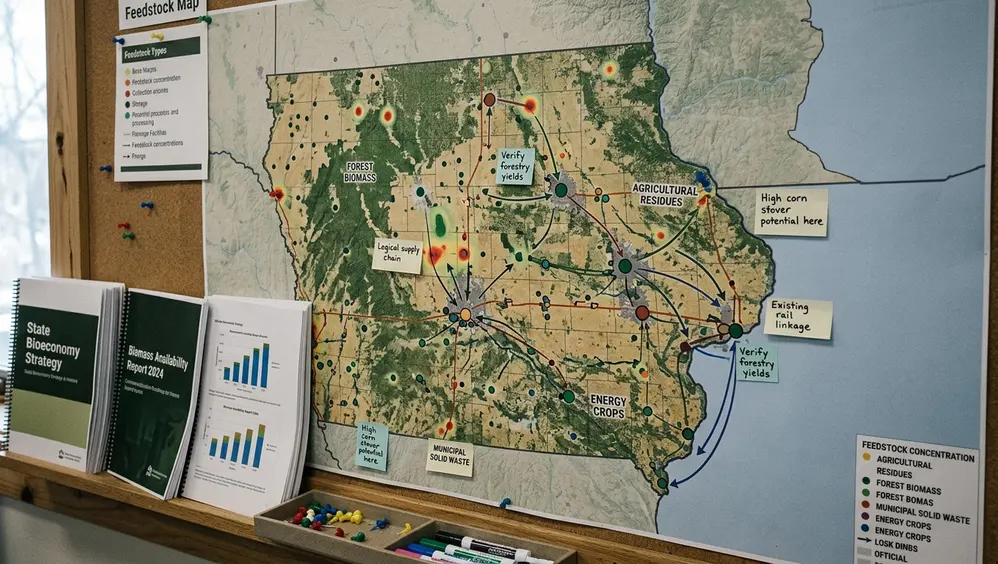
Look at Georgia-specific zones. Poultry-producing regions in the northern counties generate distinct litter profiles. Peanut and cotton production areas in the south yield dry, high-lignin hulls and gin trash. Forestry-dependent counties provide steady streams of slash, while food-processing corridors offer highly uniform, wet organic waste.
The critical question remains: can these regional concentrations support the logistics of continuous collection?
Technology Pathways: Matching Waste Streams to Energy Uses
Wet organics demand biological treatment. Anaerobic digestion suits manure, food waste, and specific processing residues. The outputs include raw biogas, which requires upgrading to renewable natural gas for pipeline injection, alongside digestate management and immediate odor-control benefits.
Dry biomass requires thermal conversion. Combustion and combined heat-and-power systems align with wood chips, sawmill residues, shells, and hulls, provided a continuous local thermal demand exists.
Gasification and pyrolysis represent higher-complexity pathways—processes that suit woody biomass but demand absolute offtake certainty. They require stronger technical partners to justify the capital expenditure.
Where Bioenergy Fits Georgia’s Rural Commercialization Strategy
Georgia’s innovation economy grows when companies, universities, and public-sector partners work from the same playbook. Bioenergy directly supports our broader commercialization strategy across agribusiness, forestry, logistics, manufacturing, and energy resilience.
These projects anchor rural industrial sites. They provide baseload power or process heat to cold storage facilities, food processors, sawmills, commercial greenhouses, institutional campuses, and municipal wastewater facilities.
Our logistics infrastructure provides a distinct advantage. Feedstock aggregation relies on efficient highway networks. Equipment access and port connectivity enable the export of advanced bio-based products, while proximity to manufacturers ensures a ready market for process heat. The Georgia Centers of Innovation frequently facilitate these cross-sector connections.
From Waste Inventory to Bankable Project
During early grid sustainability evaluations, we tried an initial technology-first framing. It failed to attract necessary capital, so we switched to a standard project development order. Decisions on sequencing followed standard project development order after rejecting an initial technology-first framing.
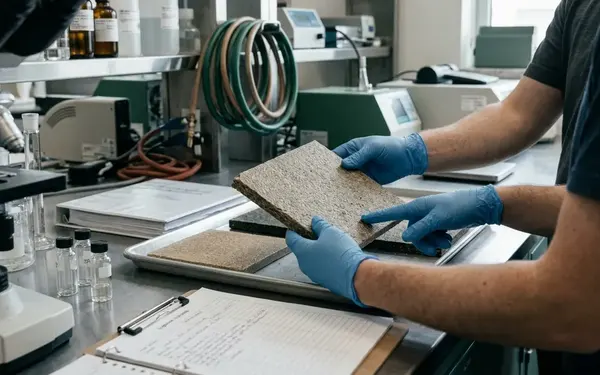
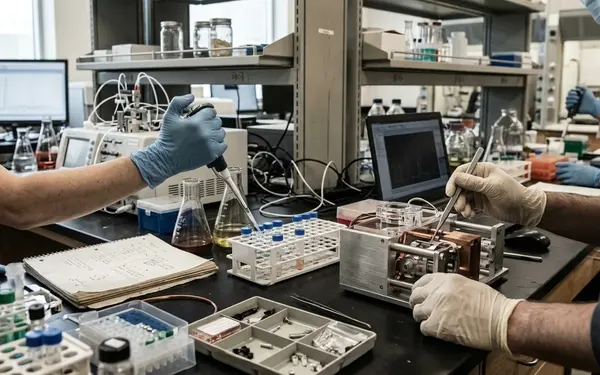
The implementation process begins with a rigorous feedstock inventory and stakeholder mapping. Next comes lab characterization of the material, followed by technology shortlisting and preliminary engineering. Only then should developers move to offtake development, permitting review, and assembling the financing package.
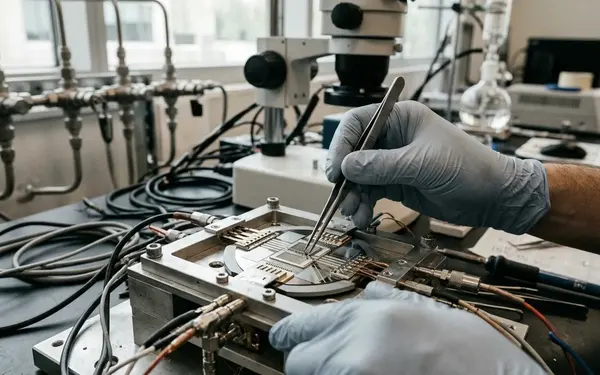
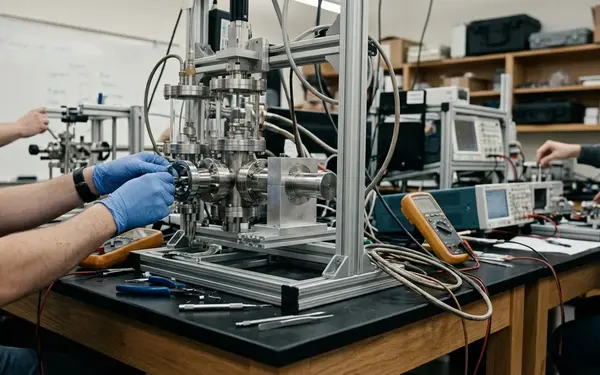
Partnership roles must be strictly defined. Farmers and forest landowners supply the raw material. Industrial processors host the conversion systems. Counties support zoning and infrastructure upgrades. Utilities evaluate grid interconnection or gas injection feasibility. Institutions like the Georgia Institute of Technology help with thermodynamic testing, while private developers bring engineering execution and capital.
Pro Tip: Secure binding letters of interest for both feedstock supply and energy offtake before paying for advanced engineering designs.
Funding, Incentives, and Permitting Questions to Resolve Early
Rural bioenergy projects require blended capital structures. Developers typically combine private equity, specialized equipment finance, federal grants, tax incentives, long-term utility contracts, and public infrastructure support.
The USDA Rural Energy for America Program serves as a potential fit for eligible rural businesses and agricultural producers. Eligibility criteria, matching fund requirements, and application timing must be rigorously checked against current program rules.
Permitting introduces significant friction if ignored. Project teams must resolve questions regarding air emissions, wastewater discharge, solid-waste handling, and stormwater runoff early in the design phase. Nutrient management plans, truck traffic routing, local zoning ordinances, electrical interconnection standards, pipeline gas quality specifications, and operational safety procedures require parallel regulatory review.
Will the local utility grid accept the proposed interconnection without demanding prohibitive infrastructure upgrades?
Scope and Limitations: What Bioenergy Cannot Solve Alone
Experimental data indicates that not every waste stream should be converted to energy. Certain materials provide higher systemic value when utilized for soil amendment, animal bedding, compost, landscape mulch, or sold into existing industrial fuel markets. Variations occur in regions with different soil nutrient needs.
Environmental benefits vary with baseline practices and transport distances. Projects fail when feedstock collection costs exceed energy revenue.
Recognizing that biomass moisture variability limits absolute predictive certainty, developers must exercise caution.
Warning: Avoid overbuilding conversion capacity without securing long-term feedstock control, modeling realistic hauling economics, and verifying the energy offtake.
A Practical Roadmap for Rural Georgia Innovators
The path forward requires strict operational discipline. Innovators should follow a concise action checklist:
- Inventory available organic residues within a strict geographic radius.
- Identify nearby continuous thermal or gas demand.
- Test the feedstock through certified laboratory analysis.
- Compare technology pathways based on empirical data, not vendor claims.
- Recruit technical and financial partners early.
- Screen all local and state permitting requirements.
- Model transportation logistics under worst-case fuel pricing.
- Pursue financing only after securing credible offtake agreements.
Initiatives supported by the Georgia Research Alliance (GRA) since 2018 demonstrate that disciplined project development yields resilient infrastructure. As highlighted during the tenure of Sonny Perdue: Governor of Georgia, agricultural innovation remains a cornerstone of state economic development.
Key Takeaway: Georgia’s opportunity is strongest where agricultural waste, rural industry, research support, and disciplined project development overlap.